February 27-28 2026

Feb 27 & 28

Institut du Cerveau - Paris

ABOUT

ABOUT

ABOUT

48 hours to crack a computational neuroscience puzzle.

0

0

ATTENDEES

0

0

ATTENDEES

0

0

ATTENDEES

0

0

PROJECTS

0

0

PROJECTS

0

0

PROJECTS

0

0

JURY MEMBERS

0

0

JURY MEMBERS

0

0

JURY MEMBERS

0

0

CONFERENCE

0

0

CONFERENCE

0

0

CONFERENCE

WHAT'S ON

WHAT'S ON

WHAT'S ON

Decide on your favorite project

Video game controlled by brain activity

01

The goal is to create a video game in which actions are entirely controlled by brain activity, using an EEG headset. The team will use several brain signals to generate commands in real time. At the same time, the game's graphics and interaction mechanics will need to be enhanced, based on an existing framework.

Video game controlled by brain activity

01

The goal is to create a video game in which actions are entirely controlled by brain activity, using an EEG headset. The team will use several brain signals to generate commands in real time. At the same time, the game's graphics and interaction mechanics will need to be enhanced, based on an existing framework.

Video game controlled by brain activity

01

The goal is to create a video game in which actions are entirely controlled by brain activity, using an EEG headset. The team will use several brain signals to generate commands in real time. At the same time, the game's graphics and interaction mechanics will need to be enhanced, based on an existing framework.

Manipulate brain code in real time

02

Can spatial memory be read directly from raw neural activity?

This project aims to develop a decoder capable of linking, in real time, high-dimensional neural data to the position of a mouse in a maze. The model will be able to detect reactivations during different states of alertness.

Manipulate brain code in real time

02

Can spatial memory be read directly from raw neural activity?

This project aims to develop a decoder capable of linking, in real time, high-dimensional neural data to the position of a mouse in a maze. The model will be able to detect reactivations during different states of alertness.

Manipulate brain code in real time

02

Can spatial memory be read directly from raw neural activity?

This project aims to develop a decoder capable of linking, in real time, high-dimensional neural data to the position of a mouse in a maze. The model will be able to detect reactivations during different states of alertness.

Emotions, memory, and sleep

03

This project is based on electrophysiological recordings of different brain regions in behaving and sleeping animals. The aim is to examine how information circulates during sleep and to determine whether contextual information is reactivated and encoded after an emotional experience.

Emotions, memory, and sleep

03

This project is based on electrophysiological recordings of different brain regions in behaving and sleeping animals. The aim is to examine how information circulates during sleep and to determine whether contextual information is reactivated and encoded after an emotional experience.

Emotions, memory, and sleep

03

This project is based on electrophysiological recordings of different brain regions in behaving and sleeping animals. The aim is to examine how information circulates during sleep and to determine whether contextual information is reactivated and encoded after an emotional experience.

A gradient image transitioning from dark black to light gray tones.

Have an idea?

If you have neuroscience-related data and an interesting challenge to propose, we are open to propositions

FEBRUARYY 27-28, 2026

FEBRUARYY 27-28, 2026

FEBRUARYY 27-28, 2026

Agenda

HACKTION POTENTIAL

HACKTION POTENTIAL

Feb 19

From 6pm

  • Welcome & Introduction

  • Projects overview

  • Team assignment

  • Open discussion - Q&A

Feb 27

9am - 6pm

  • Opening session

  • Define roles and workflow

  • Brainstorming

  • Lunch break

  • Kickoff: dive into it!

Feb 28

From 9am

  • Final sprint

  • Lunch break

  • Pitch preparation

From 3pm - open to the public

  • Pitch to the jury

  • Scientific talk

  • Awards & wrap-up

  • Closing reception

Feb 19

From 6pm

  • Welcome & Introduction

  • Projects overview

  • Team assignment

  • Open discussion - Q&A

Feb 27

9am - 6pm

  • Opening session

  • Define roles and workflow

  • Brainstorming

  • Lunch break

  • Kickoff: dive into it!

Feb 28

From 9am

  • Final sprint

  • Lunch break

  • Pitch preparation

From 3pm - open to the public

  • Pitch to the jury

  • Scientific talk

  • Awards & wrap-up

  • Closing reception

Feb 19

From 6pm

  • Welcome & Introduction

  • Projects overview

  • Team assignment

  • Open discussion - Q&A

Feb 27

9am - 6pm

  • Opening session

  • Define roles and workflow

  • Brainstorming

  • Lunch break

  • Kickoff: dive into it!

Feb 28

From 9am

  • Final sprint

  • Lunch break

  • Pitch preparation

From 3pm - open to the public

  • Pitch to the jury

  • Scientific talk

  • Awards & wrap-up

  • Closing reception

JURY

JURY

JURY

Jury

Hear feedbacks from neuroscience researchers and the co-director of INRIA Startup Studio
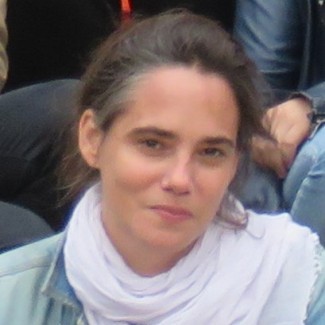
Séverine Mahon

Paris Brain Institute - ICM

Research Scientist, EpiC : Épilepsie clinique et expérimentale - INSERM
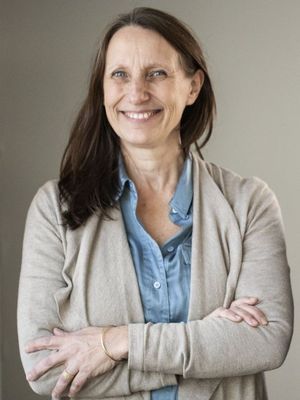
Séverine Mahon

Paris Brain Institute - ICM

Research Scientist, EpiC : Épilepsie clinique et expérimentale - INSERM

Séverine Mahon

Paris Brain Institute - ICM

Research Scientist, EpiC : Épilepsie clinique et expérimentale - INSERM

Sophie Pellat

INRIA Startup Studio

Co-director
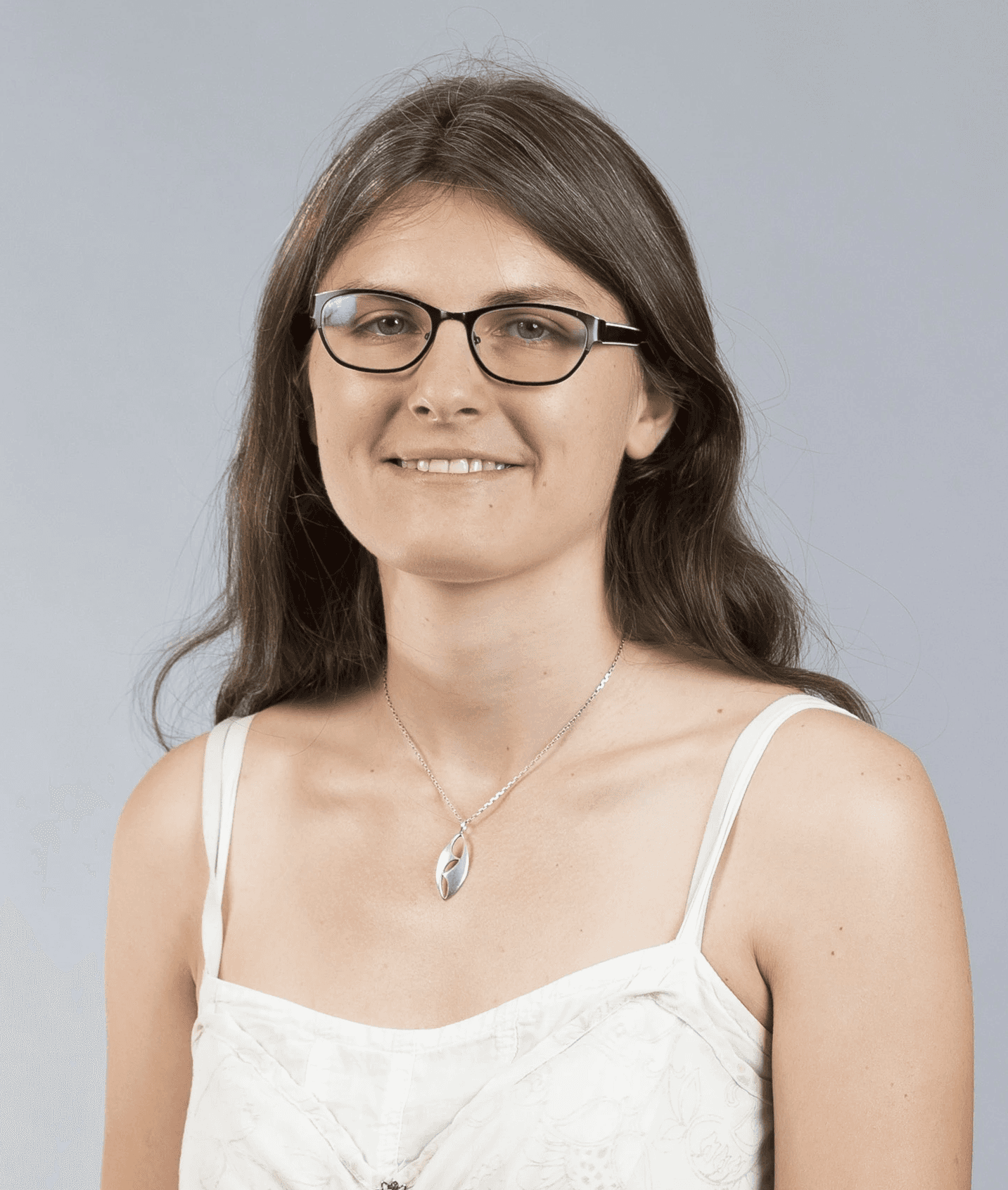
Sophie Pellat

INRIA Startup Studio

Co-director

Sophie Pellat

INRIA Startup Studio

Co-director

Sophie Bagur

ESPCI - Paris PSL

Research Fellow - Laboratoire Plasticité du Cerveau, CNRS
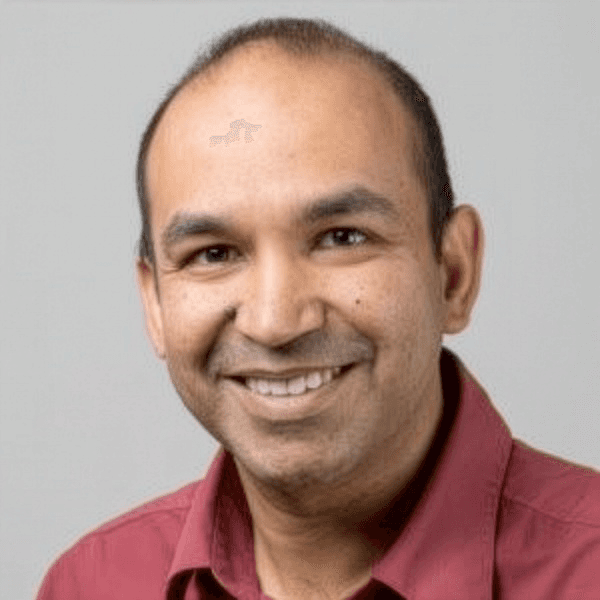
Sophie Bagur

ESPCI - Paris PSL

Research Fellow - Laboratoire Plasticité du Cerveau, CNRS

Sophie Bagur

ESPCI - Paris PSL

Research Fellow - Laboratoire Plasticité du Cerveau, CNRS

sabir jacquir

Sabir Jacquir

Paris Saclay University

Full Professor - Paris-Saclay Institute of Neurosciences (Neuro-PSI)

sabir jacquir

Sabir Jacquir

Paris Saclay University

Full Professor - Paris-Saclay Institute of Neurosciences (Neuro-PSI)

sabir jacquir

Sabir Jacquir

Paris Saclay University

Full Professor - Paris-Saclay Institute of Neurosciences (Neuro-PSI)

REGISTER

REGISTER

REGISTER

Register now

Register now to secure your spot. Registration close on February 1st.

Active participant (students only)

10€

Two days Hackathon entry, register to crack a neuroscience puzzle in teams

Collaborate on the project of your choice

Opportunity to win a prize

Network over free lunches

Active participant (students only)

10€

Two days Hackathon entry, register to crack a neuroscience puzzle in teams

Collaborate on the project of your choice

Opportunity to win a prize

Network over free lunches

Active participant (students only)

10€

Two days Hackathon entry, register to crack a neuroscience puzzle in teams

Collaborate on the project of your choice

Opportunity to win a prize

Network over free lunches

Public Admission

0€

Access to the presentations (Feb 28th at 3pm)

Learn what the teams developed

Listen to a computational neuroscience conference

Enjoy the awards ceremony

Public Admission

0€

Access to the presentations (Feb 28th at 3pm)

Learn what the teams developed

Listen to a computational neuroscience conference

Enjoy the awards ceremony

Public Admission

0€

Access to the presentations (Feb 28th at 3pm)

Learn what the teams developed

Listen to a computational neuroscience conference

Enjoy the awards ceremony

SPONSORS

SPONSORS

SPONSORS

They helped us build this event.

Our project is affiliated to DIM C-BRAINS, funded by the Conseil Régional d’Ile-de-France.

FAQ

FAQ

FAQ

FAQ

Still got questions? Feel free to reach out. We're happy to help.

Who can participate?

Students of Île de France from all academic fields

Do I need to know how to code?

Problems will be computational, hence coding experience helps, but is not mandatory. Teams are multidisciplinary, and you can contribute through many other ways.

Can I participate alone?

Yes! If you register alone, we’ll help you join or form a team during the ice-breaker session on feb 19th.

How many people per team?

Teams are typically 3 to 5 participants. We’ll guide the formation to keep teams balanced (skills, backgrounds, roles).

What should I bring?

A laptop, charger, headphones, and anything else you like to work with. We provide space, Wi-Fi, power, meals and coffee.

Who can participate?

Students of Île de France from all academic fields

Do I need to know how to code?

Problems will be computational, hence coding experience helps, but is not mandatory. Teams are multidisciplinary, and you can contribute through many other ways.

Can I participate alone?

Yes! If you register alone, we’ll help you join or form a team during the ice-breaker session on feb 19th.

How many people per team?

Teams are typically 3 to 5 participants. We’ll guide the formation to keep teams balanced (skills, backgrounds, roles).

What should I bring?

A laptop, charger, headphones, and anything else you like to work with. We provide space, Wi-Fi, power, meals and coffee.

Who can participate?

Students of Île de France from all academic fields

Do I need to know how to code?

Problems will be computational, hence coding experience helps, but is not mandatory. Teams are multidisciplinary, and you can contribute through many other ways.

Can I participate alone?

Yes! If you register alone, we’ll help you join or form a team during the ice-breaker session on feb 19th.

How many people per team?

Teams are typically 3 to 5 participants. We’ll guide the formation to keep teams balanced (skills, backgrounds, roles).

What should I bring?

A laptop, charger, headphones, and anything else you like to work with. We provide space, Wi-Fi, power, meals and coffee.